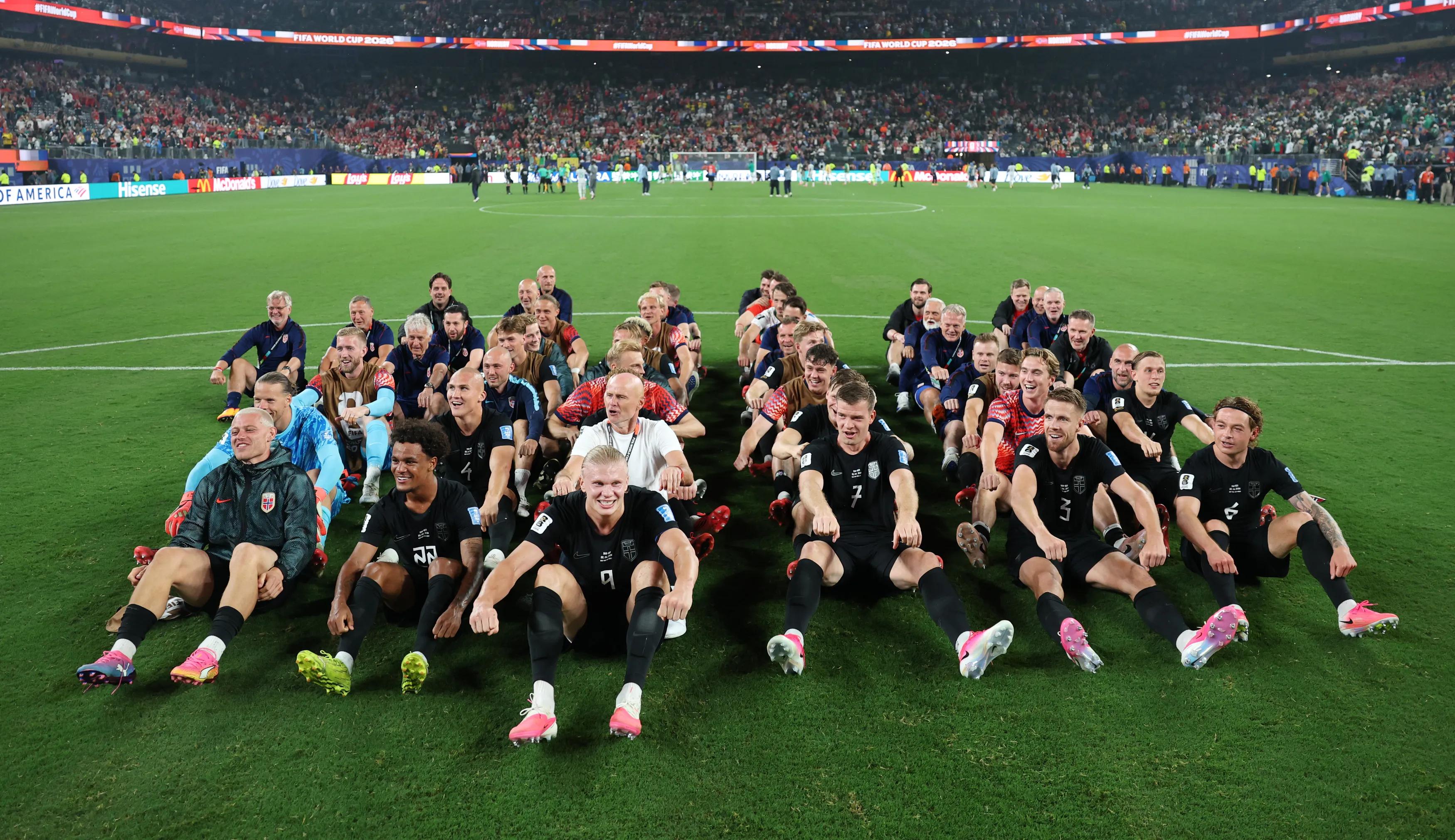
Martin Pedersen's post-match reaction captured the emotional complexity that tournament football produces. Norway's encounter with Senegal had created contest where Scandinavian progress faced African opposition whose attacking quality tested defensive reliability that Norwegian methodology emphasises. Senegal's approach reflected their tournament development since Qatar's memorable campaign. The Lions of Teranga arrived with attacking intent that Norwegian defensive structure struggled to contain throughout a challenging contest. Ismaila Sarr's creative contribution, Habib Diarra's finishing influence - these elements combined to produce African threat that European preparation had emphasised but could not entirely prevent. Pedersen's emotional response revealed the psychological weight that tournament matches carry. His inability to articulate reaction through coherent commentary, his dependence on fragmented expression that captured feeling rather than analysis, demonstrated how competitive intensity produces emotional impact that rational assessment cannot address. Norway's tournament trajectory has featured Erling Haaland's scoring excellence as central narrative. Pedersen's supporting contribution, though less celebrated than striker finishing, provides foundation that Haaland's goals require. His midfield presence, his capacity for maintaining structure during attacking pressure, his understanding of when defensive commitment must supersede creative ambition - these elements combine to produce team functionality that individual brilliance alone cannot achieve. Senegal's eventual victory concluded Norwegian progression, Pedersen's emotional reaction reflecting disappointment that quality effort produced insufficient outcome. Tournament football's cruelty frequently demonstrates that competitive contribution, even when genuine, cannot guarantee advancement when opponents possess equivalent or superior capability. Pedersen's response, though emotionally raw, confirmed his genuine investment in Norwegian tournament ambition. His inability to find words demonstrated how significant competitive investment creates psychological weight that post-match articulation cannot immediately address. The match's competitive outcome created immediate aftermath that players and supporters experienced collectively. Post-match interviews revealed emotional responses that tournament football generates, the intensity of feeling that elimination structure produces when progression or departure determines immediate consequence. The tournament atmosphere surrounding this encounter reflected World Cup's unique competitive intensity. Matches occurring under elimination structure produce heightened psychological pressure that league competition cannot replicate, each outcome determining immediate progression or departure. This context creates emotional dimension that players must navigate while maintaining technical performance, their capacity for managing such tension distinguishing tournament performers from merely capable practitioners.
⬜ Group
Norwegian Emotion: Pedersen Reflects on Senegal Encounter