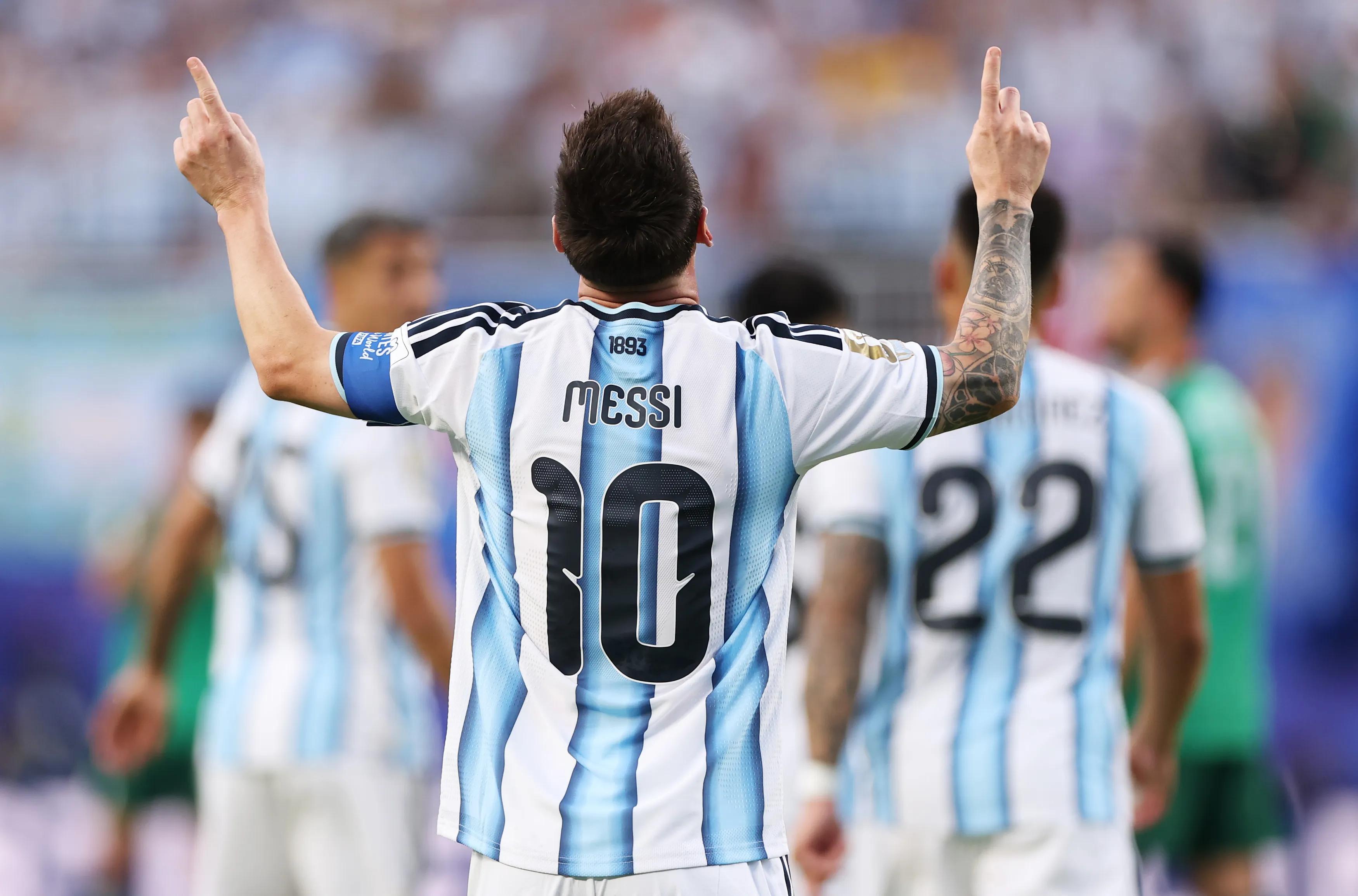
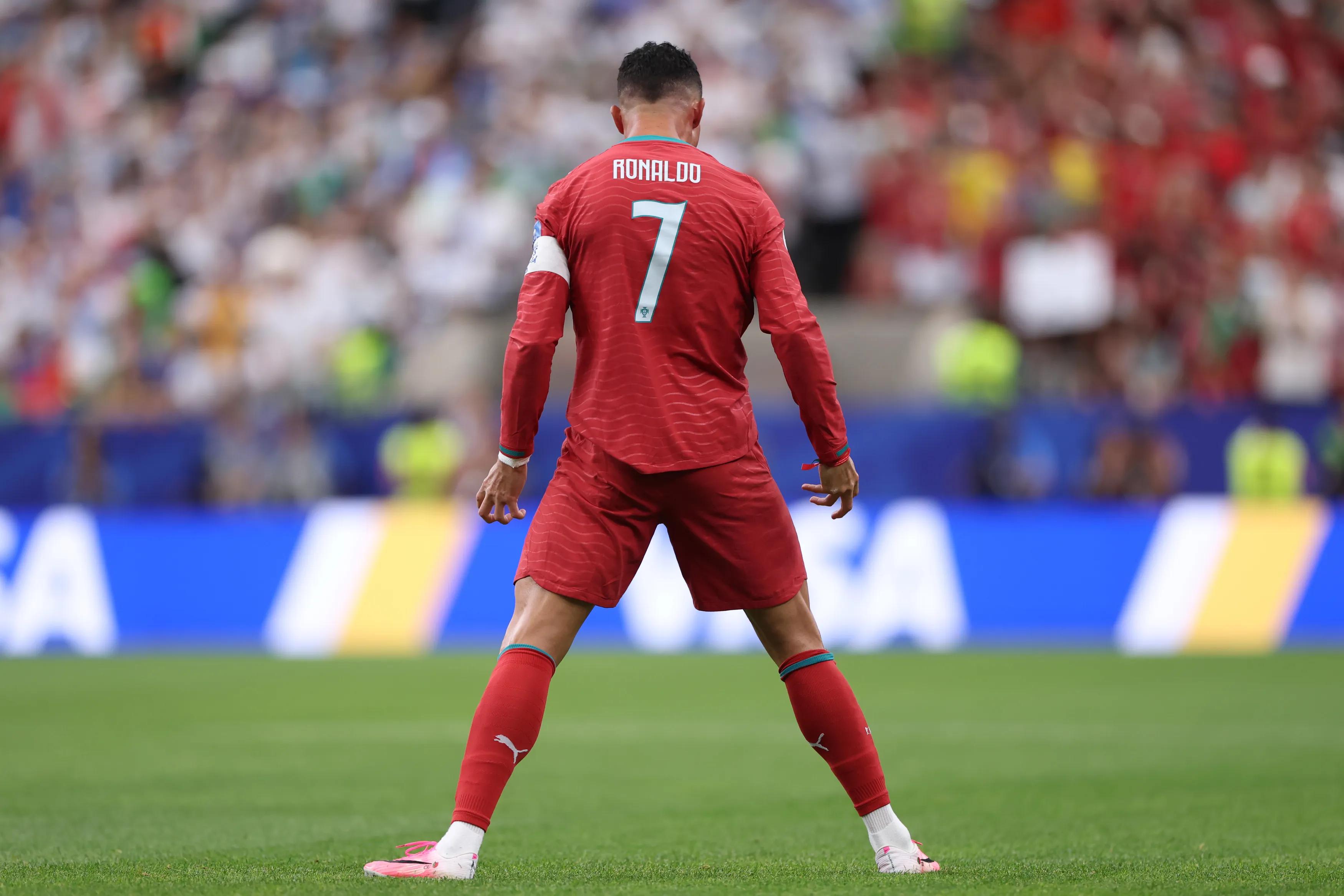
World Cup goal scoring records represent football's most celebrated statistical achievements, numerical evidence of sustained excellence across multiple tournament appearances. The current standings have undergone significant transformation through North American competition, with several active players approaching or surpassing historical benchmarks that seemed unreachable when their careers began. Lionel Messi's accumulation across six tournaments has carried him beyond Miroslav Klose's previous standard, the Argentine's gradual progression finally achieving record position that his quality had long suggested possible. His goals have arrived through varied circumstances - group stage contributions, knockout interventions, final finishing that secured Argentina's Qatar championship. Each addition has accumulated toward eventual statistical leadership. Kylian Mbappe's explosive scoring rate threatens to overhaul established figures within dramatically compressed timeframe. His eighteen World Cup goals from merely eighteen appearances demonstrate efficiency that historical leaders required multiple tournaments to achieve. If French progression continues through remaining rounds, Mbappe might approach Messi's total within this single competition, possibility that seemed fanciful before tournament began. Cristiano Ronaldo's fifteen goals across six tournaments establish his own historical significance, his scoring sequence extending through career longevity that few players have matched. His recent Uzbekistan contribution added another chapter to this accumulation, confirming his maintained finishing capability despite calendar years that would typically indicate diminished effectiveness. The contrast between these current leaders and historical figures illustrates different paths to scoring excellence. Pele's twelve goals arrived through three tournaments where Brazilian superiority created platform for his finishing. Gerd Muller's fourteen goals from merely thirteen appearances demonstrate efficiency that remains remarkable across decades. Just Fontaine's thirteen goals from single tournament constitute perhaps the most extraordinary individual scoring achievement in competition history. The historical achievement created context that transcended immediate tournament progression. Statistical milestones represent accumulated excellence across multiple competitions, evidence of sustained quality that mere participation cannot demonstrate. The post-match reflections emphasised how such records reflect career dedication beyond single tournament contribution. The technical execution throughout this contest demonstrated football's capacity for producing quality under competitive pressure. Players must deliver precise contribution when circumstances demand, their preparation enabling maintained effectiveness through passages where intensity tests concentration and physical capability. The distinction between successful tournament contribution and inadequate performance often reflects marginal differences in such execution, slight variations in quality determining outcomes that retrospective analysis frequently examines.
⬜ Group
Tournament Scoring Legends: The Race for Historical Position