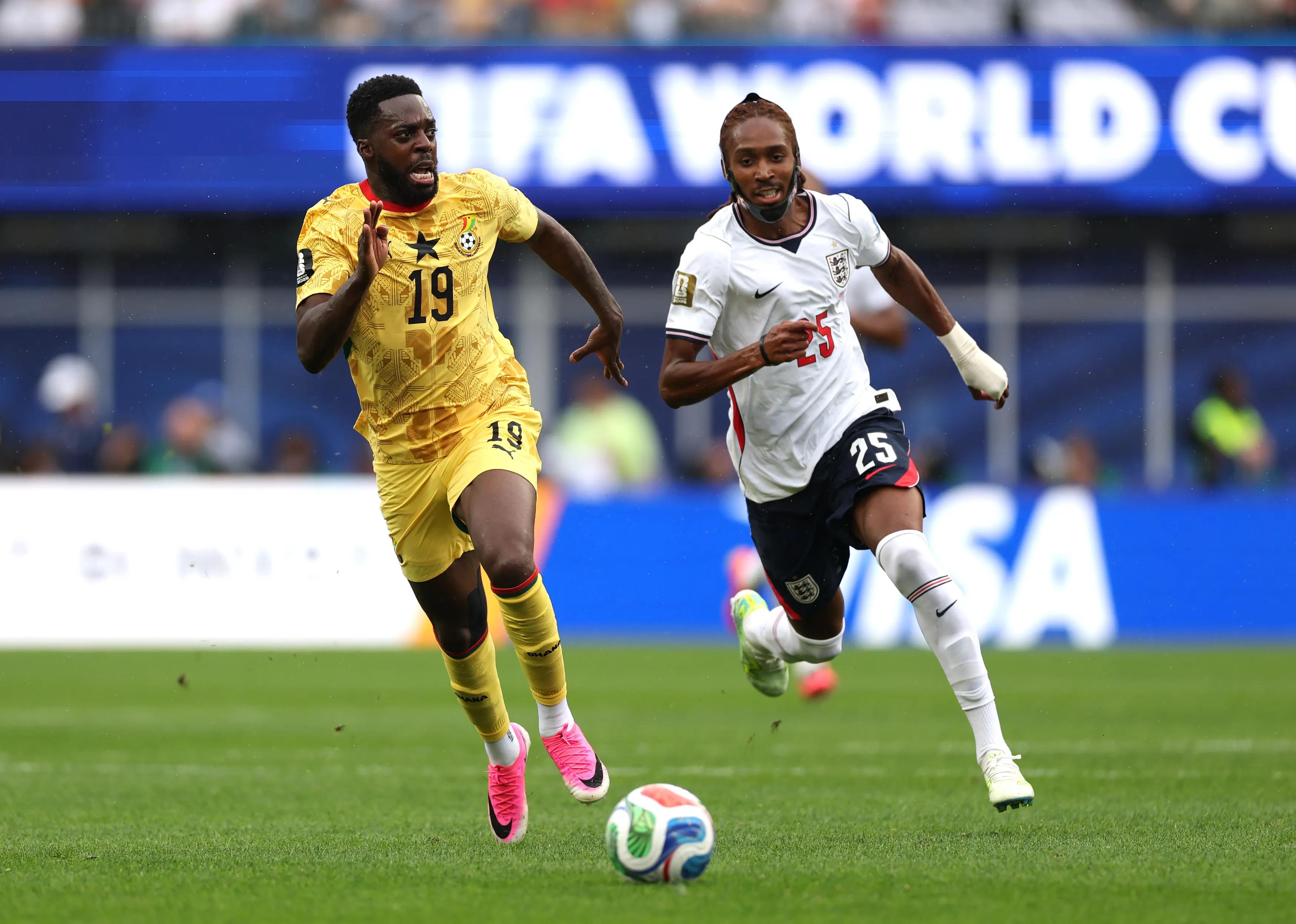
The encounter between England and Ghana produced a contest that challenged assumptions about quality differential between established European powers and developing African nations. Ghana's defensive organisation limited English attacking throughout a match where pre-match expectation had suggested comfortable progression for Thomas Tuchel's squad. Ghana's preparation reflected their understanding that England's attacking threat requires specific defensive response. Their concentration around central areas, their tracking of forward movement, their disciplined positioning that limited space for creative operation - these elements combined to produce resistance that English quality struggled to penetrate. The African nation's tournament history includes challenging celebrated opponents, their previous World Cup appearances demonstrating capability for competitive performance regardless of pre-match prediction. England's attacking methodology, though systematic in construction, encountered difficulty translating possession advantage into genuine finishing opportunities. Ghana's defensive shape remained intact throughout, their concentration persistent despite prolonged English territorial control. This resistance illustrated tournament football's capacity for rewarding disciplined preparation over technical superiority alone. The eventual outcome reflected marginal rather than decisive advantage. England's quality eventually produced breakthrough, but Ghana's defensive excellence had limited the scope of English celebration and maintained competitive integrity throughout a contest that might have become one-sided demonstration. Ghana's performance demonstrated African football's continued development. Their organisation, their discipline, their refusal to accept pre-match assumptions about inevitable outcome - these elements confirmed that the quality gap between established powers and emerging nations continues narrowing. Their tournament contribution, though concluding in this encounter, provided evidence that Ghanaian football has progressed beyond mere participation into genuine competitive capability. England's advancement required quality sufficient for overcoming organised resistance, their victory confirming tournament credentials while simultaneously revealing that African opposition demands serious preparation rather than casual expectation of comfortable progression. The defensive achievement prompted specific appreciation from coaching staff and teammates alike. The organisational quality that produced such resistance requires collective coordination rather than individual capability alone. The post-match analysis highlighted how defensive discipline creates foundation for tournament progression that attacking quality alone cannot guarantee. The tournament atmosphere surrounding this encounter reflected World Cup's unique competitive intensity. Matches occurring under elimination structure produce heightened psychological pressure that league competition cannot replicate, each outcome determining immediate progression or departure. This context creates emotional dimension that players must navigate while maintaining technical performance, their capacity for managing such tension distinguishing tournament performers from merely capable practitioners.
⬜ Group
Ghana's Defensive Steel Secures Historic English Standoff