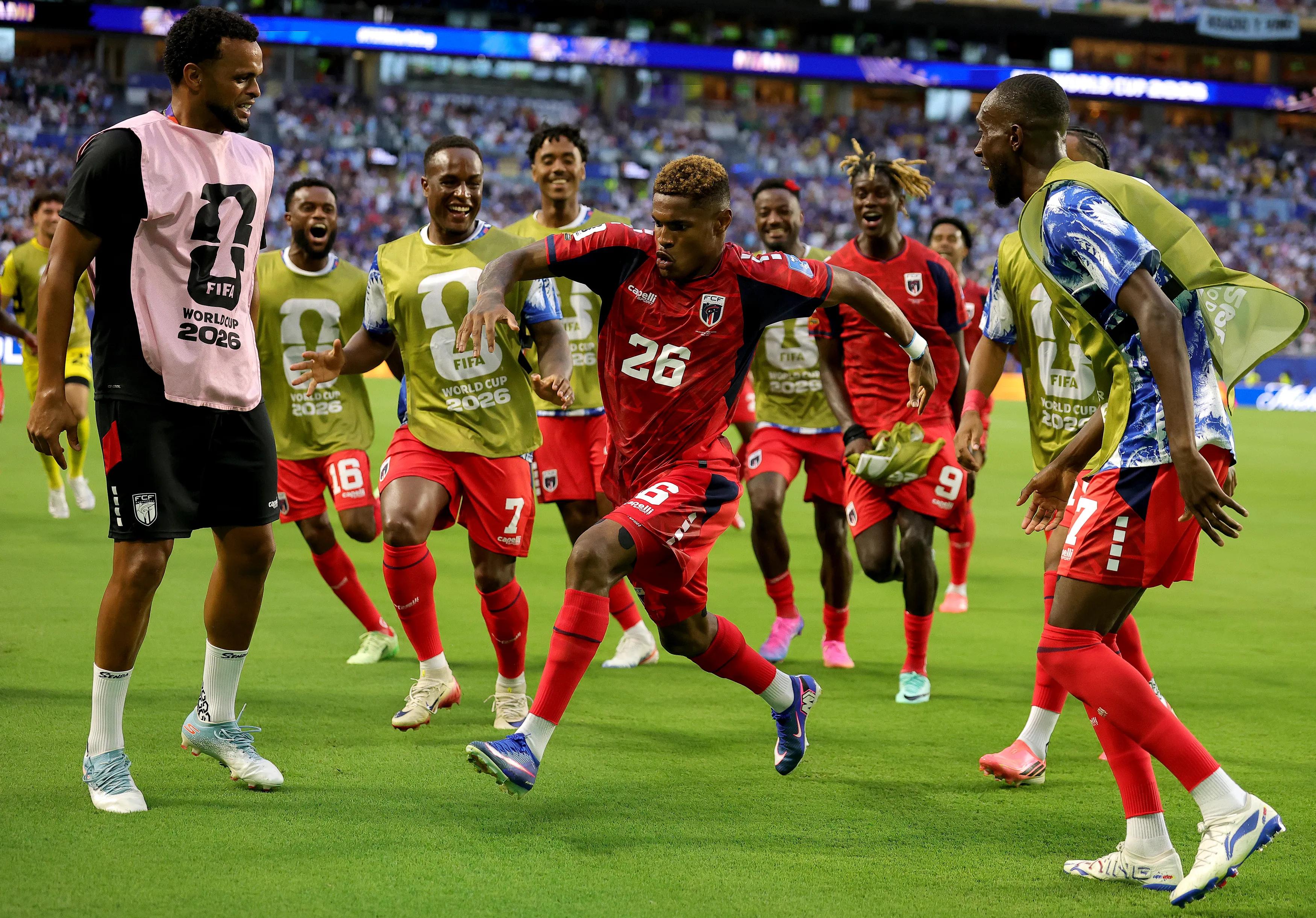
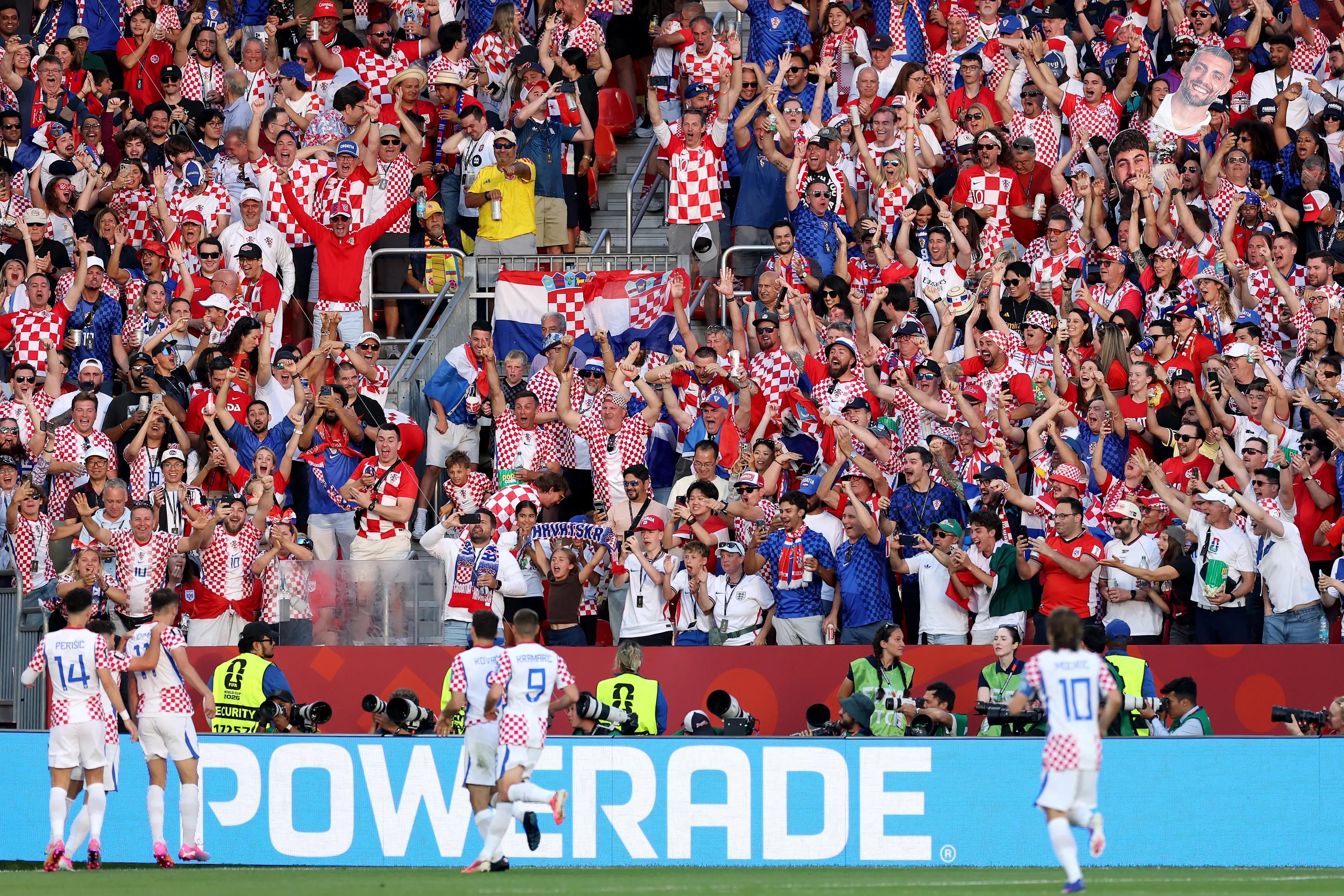
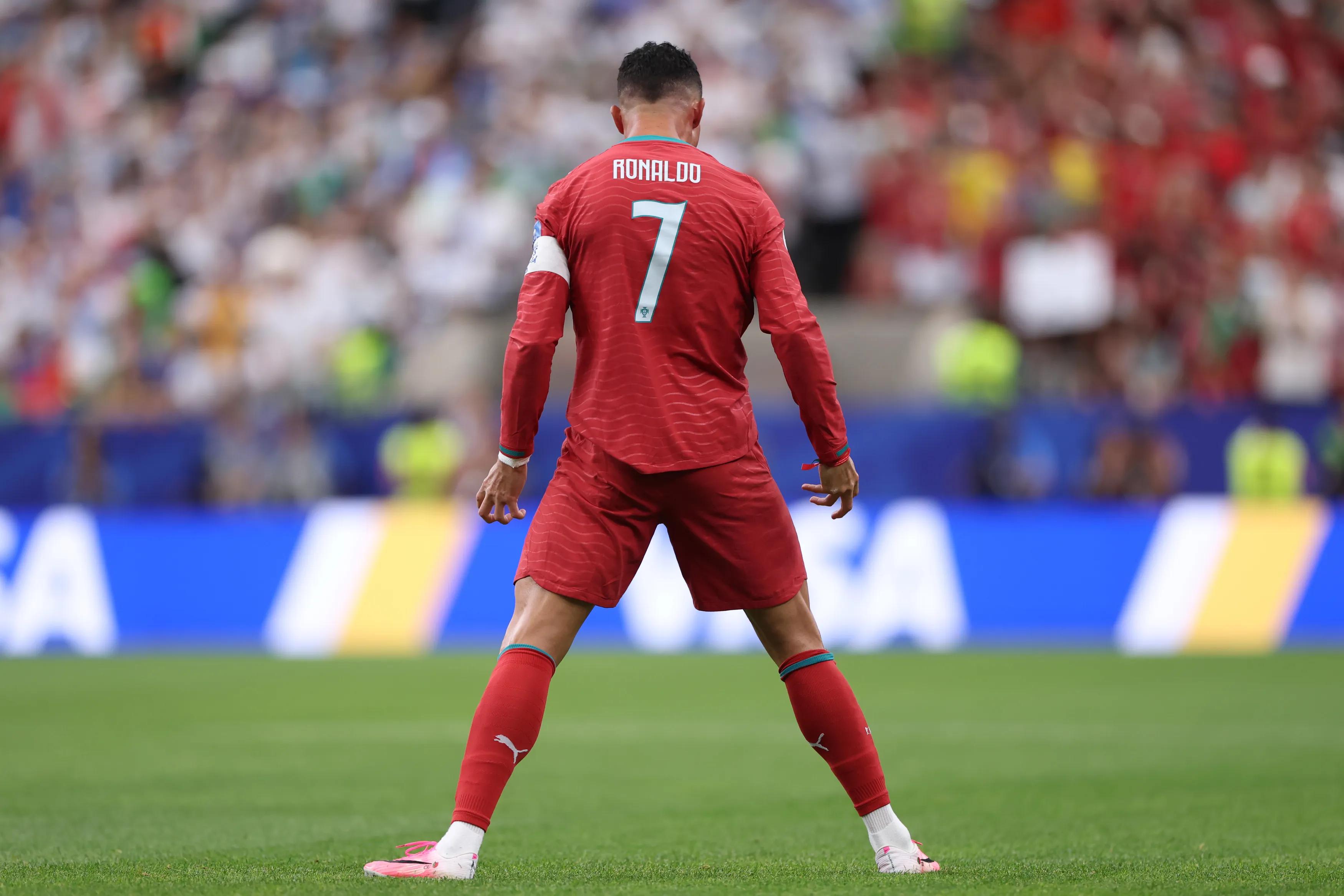
Estadio Akron Guadalajara hosted African confrontation whose outcome determined tournament progression two nations whose footballing histories featured contrasting World Cup trajectories. Nigeria organised resistance faced Egyptian systematic quality has become their characteristic despite recent tournament disappointments. Nigeria approach reflected tournament methodology. Their attacking construction prioritising coordinated development over individual brilliance creates opportunities through systematic framework rather than personal excellence. Their encounter with Egypt demonstrated this approach against opposition whose preparation emphasises frustrating such systematic ambition. Egypt response embodied resilience tournament progression requires. They refused accept Nigerian attacking dominance maintaining defensive structure limited opportunities despite sustained pressure. Their organisation concentrated around preventing systematic penetration created obstacles Nigerian quality struggled address throughout opening periods. Breakthrough when arriving reflected Egyptian superiority Nigerian organisation could not indefinitely prevent. Cristiano Ronaldo contribution involved coordinated movement precise delivery eventually producing opportunity West African resistance could not address. Goal construction demonstrated quality overcoming systematic preparation. Nigeria pursuit equaliser illustrated competitive character. They intensified attacking following Egyptian breakthrough creating transitional opportunities tested North African defensive concentration. Their determination though ultimately unsuccessful demonstrated tournament spirit competitive football demands. The post-match atmosphere reflected the dramatic nature of knockout football. Supporters experienced emotional journeys that matched their team's competitive trajectory, from early anxiety through eventual celebration. The stadium's acoustics captured every significant moment, the collective voice of followers creating backdrop that players acknowledged through their responses. The tournament atmosphere surrounding this encounter reflected World Cup's unique competitive intensity. Matches occurring under elimination structure produce heightened psychological pressure that league competition cannot replicate, each outcome determining immediate progression or departure. This context creates emotional dimension that players must navigate while maintaining technical performance, their capacity for managing such tension distinguishing tournament performers from merely capable practitioners. The tactical dimension of this encounter reflected broader tournament methodology evolution. Teams must adapt their approaches according to specific opponent characteristics, their systematic preparation addressing particular threats while attempting to impose their preferred methodology. The contrast between different tactical philosophies creates matches where strategic execution determines outcome rather than mere technical superiority.
⬛ Round of 16
Egyptian Systematic Quality Overcomes Nigerian Direct Approach