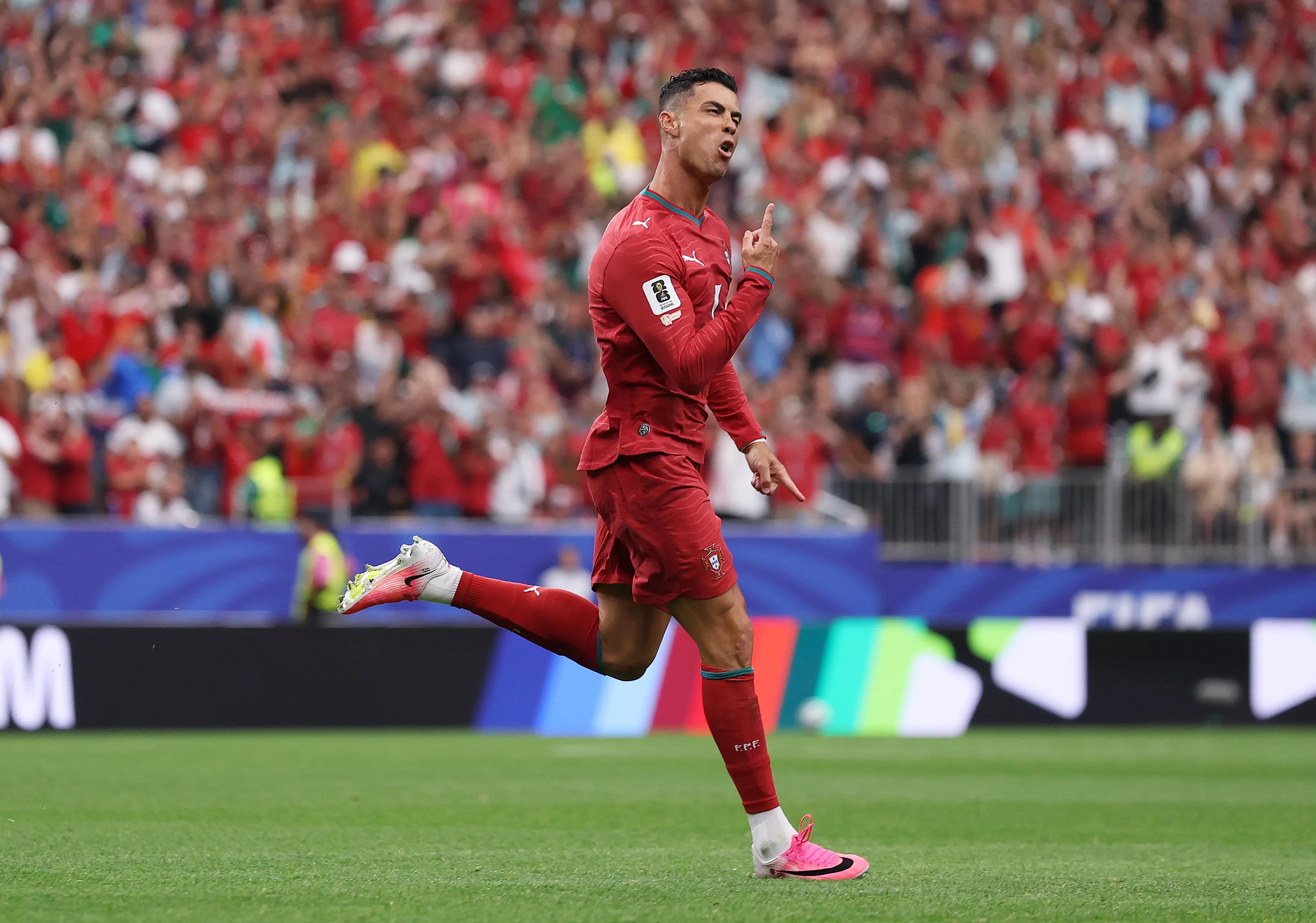
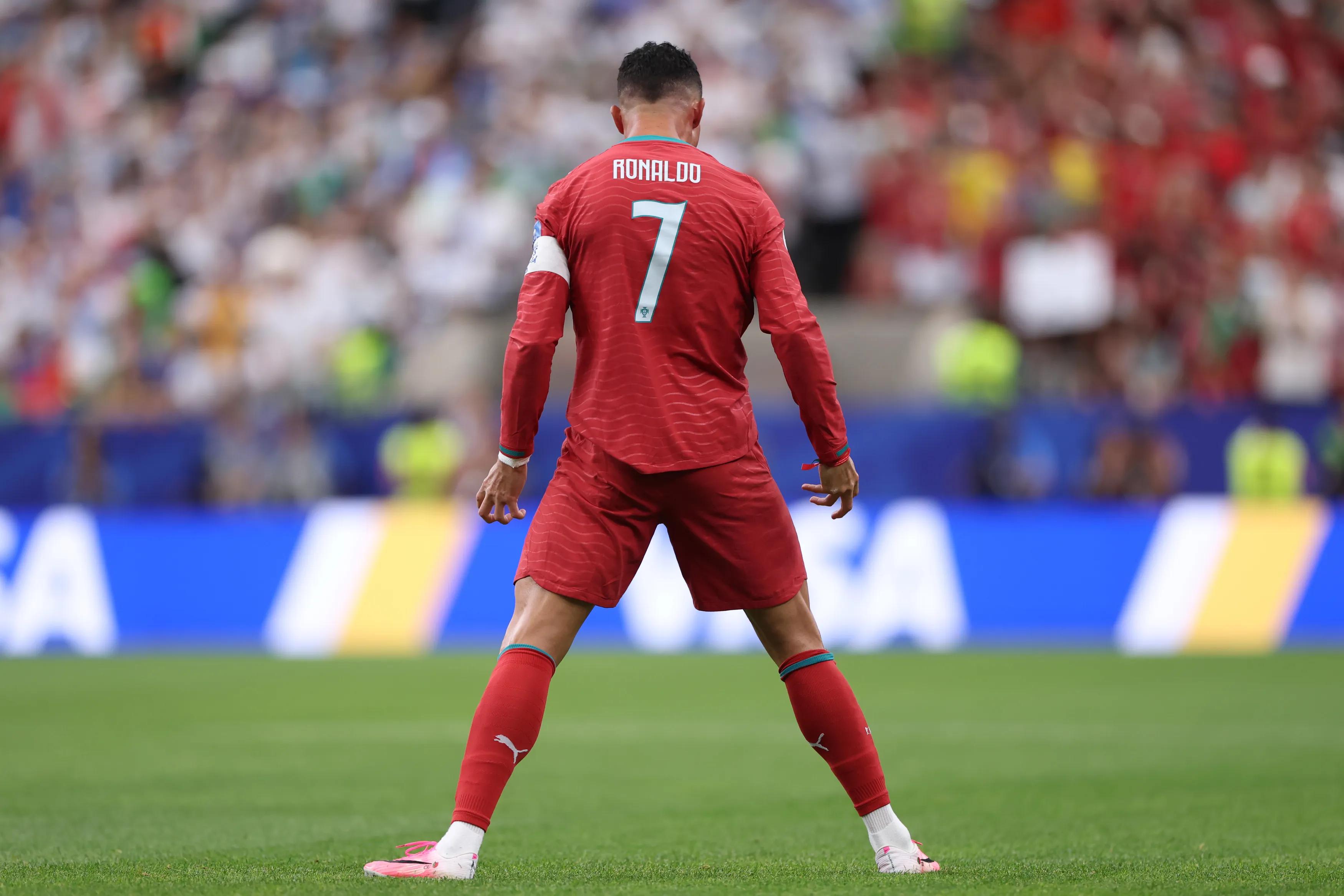
Uzbekistan's tournament debut had already produced historic achievement through group stage progression. Their encounter with Portugal represented examination against opponents whose attacking quality exceeds anything Central Asian football has previously confronted. The resulting contest demonstrated both Uzbek competitive character and Portuguese superiority that statistical evidence confirmed. Cristiano Ronaldo's presence alone creates psychological dimension that opposition must manage. Uzbek defenders had watched his career unfold across decades, his achievements accumulating into legendary status that approaching teams cannot ignore. Their defensive preparation emphasised containing his movement, limiting his finishing opportunities, restricting the influence that his physical presence typically creates. Portugal's broader attacking framework extends far beyond Ronaldo dependence. Bruno Fernandes' creative distribution, Bernardo Silva's technical versatility, Joao Felix's dynamic movement - these elements combine to produce systematic threat that concentrated defensive attention on single figure cannot address. Uzbekistan's defensive structure, though organised around Ronaldo containment, could not simultaneously manage the supporting threats that Portuguese quality provides. The breakthrough arrived through multiple contributions rather than isolated individual brilliance. Portugal's systematic attacking construction, involving coordinated movement and precise delivery, eventually produced opportunities that Uzbek resistance could not prevent. The resulting goals demonstrated that collective methodology, when executed with sufficient quality, overcomes defensive preparation designed to address specific threats. Uzbekistan's tournament character emerged through their response to Portuguese dominance. They refused capitulation despite established disadvantage, continuing to create occasional attacking opportunities that demonstrated their competitive integrity. Their progression through group stages had already confirmed Uzbek football's development; this Portuguese encounter provided education about the quality differential that separates established powers from emerging nations. Portugal's victory confirmed their tournament credentials while simultaneously providing Ronaldo with another statistical achievement. Their attacking methodology demonstrated that systematic quality, executed by technically superior players, produces advancement regardless of opposition preparation. The historical achievement created context that transcended immediate tournament progression. Statistical milestones represent accumulated excellence across multiple competitions, evidence of sustained quality that mere participation cannot demonstrate. The post-match reflections emphasised how such records reflect career dedication beyond single tournament contribution. The tournament atmosphere surrounding this encounter reflected World Cup's unique competitive intensity. Matches occurring under elimination structure produce heightened psychological pressure that league competition cannot replicate, each outcome determining immediate progression or departure. This context creates emotional dimension that players must navigate while maintaining technical performance, their capacity for managing such tension distinguishing tournament performers from merely capable practitioners.
⬜ Group
Portuguese Attack Overwhelms Uzbek Resistance in Record Display