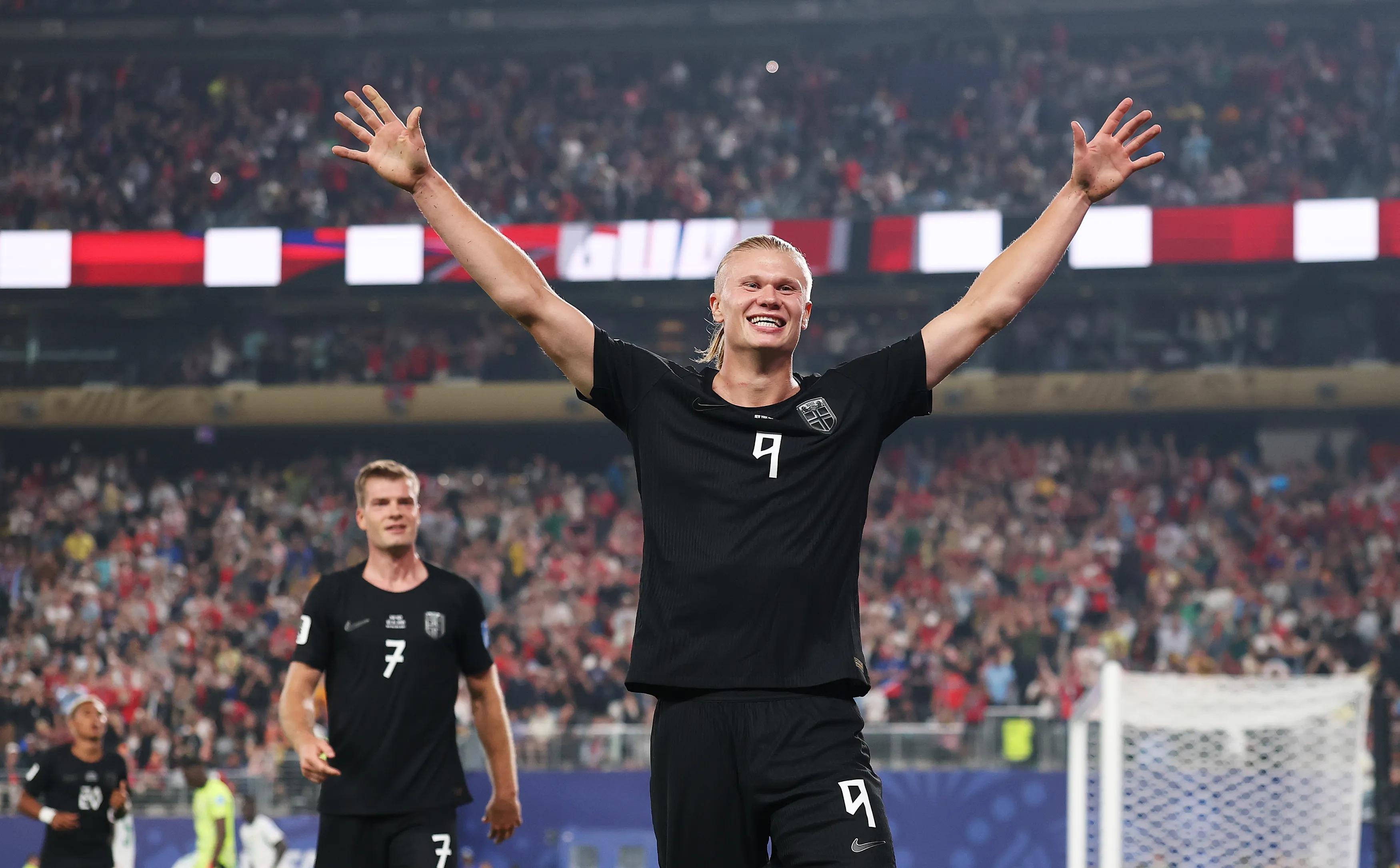
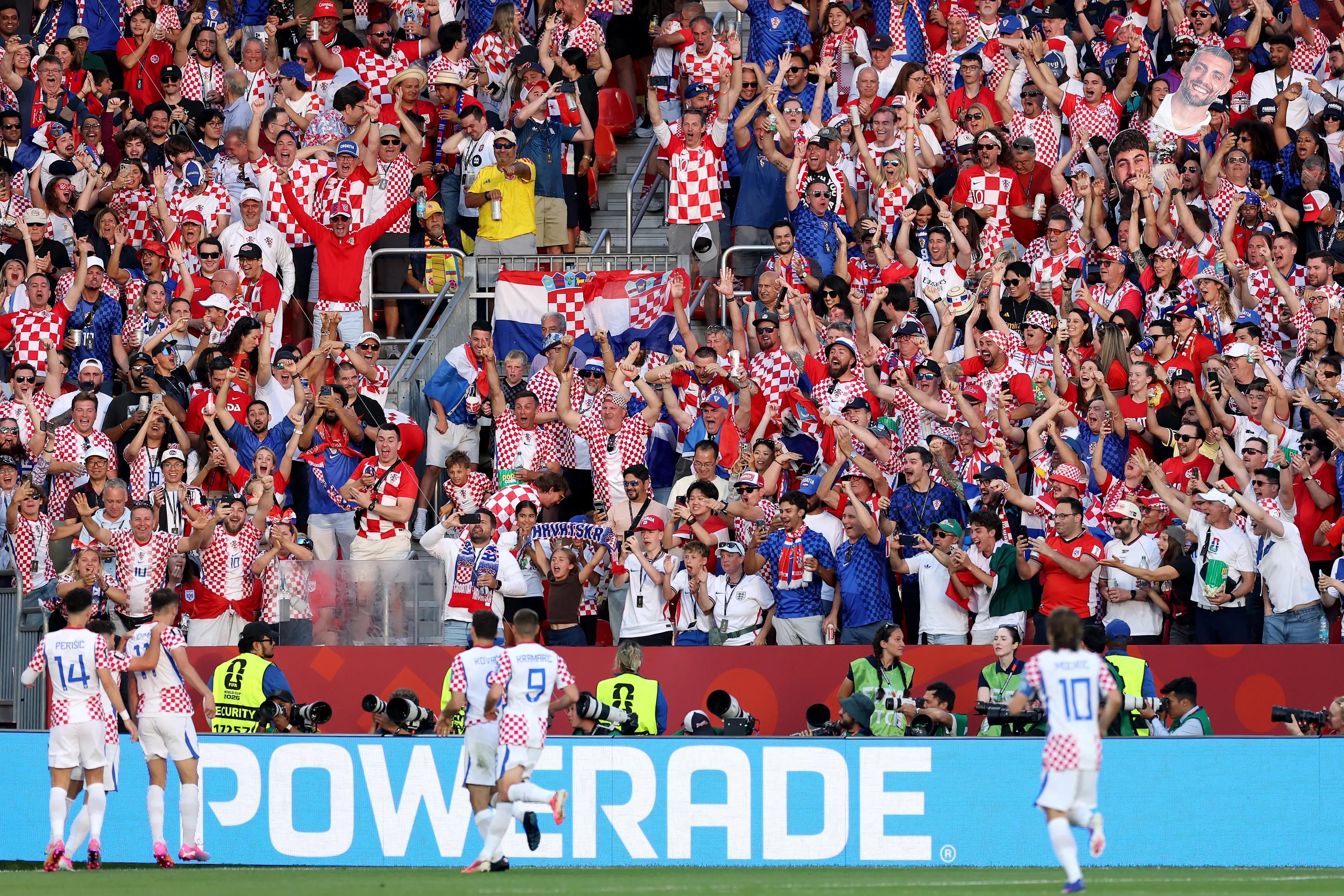
Erling Haaland's tournament contribution demonstrates finishing quality that translates across competitive levels. His goals in each Norwegian appearance, scoring consistency that opposition defence struggles to prevent, confirms his capability for influencing World Cup matches regardless of context that previous club excellence might have suggested could be limited. Norway's tournament journey represents their first World Cup progression since 1998. The Scandinavian nation's absence across decades has concluded through Haaland's emergence as finishing figure whose quality provides attacking threat that Norwegian football previously lacked. His partnership with Martin Odegaard creates attacking framework that defensive preparation struggles to address. Haaland's physical presence demands defensive attention that creates space for supporting colleagues. His movement, though perhaps less elaborate than technically sophisticated attackers, creates opportunities through positioning intelligence that finishers require. His capacity for converting varied delivery types, his composure when finishing chances arrive under competitive pressure - these elements combine to produce scoring reliability that tournament advancement demands. Norwegian methodology emphasises direct approach that Haaland's finishing enables. Their systematic construction, prioritising rapid forward development over extended possession, creates opportunities that his positioning converts into goals. This approach, though contrasting with possession-based methodologies that established powers favour, has proved effective for Norwegian progression that Haaland's quality provides. Haaland's celebration of Norwegian advancement revealed genuine investment in national achievement. His understanding that this tournament represents historic breakthrough after decades of absence, his awareness that his contribution enables progression that previous Norwegian squads could not achieve - these elements combine to produce psychological significance that competitive outcome carries beyond immediate sporting result. The post-match atmosphere reflected the dramatic nature of knockout football. Supporters experienced emotional journeys that matched their team's competitive trajectory, from early anxiety through eventual celebration. The stadium's acoustics captured every significant moment, the collective voice of followers creating backdrop that players acknowledged through their responses. The tournament atmosphere surrounding this encounter reflected World Cup's unique competitive intensity. Matches occurring under elimination structure produce heightened psychological pressure that league competition cannot replicate, each outcome determining immediate progression or departure. This context creates emotional dimension that players must navigate while maintaining technical performance, their capacity for managing such tension distinguishing tournament performers from merely capable practitioners.
⬛ Round of 16
Norwegian Knockout Arrival: Haaland's Scoring Consistency