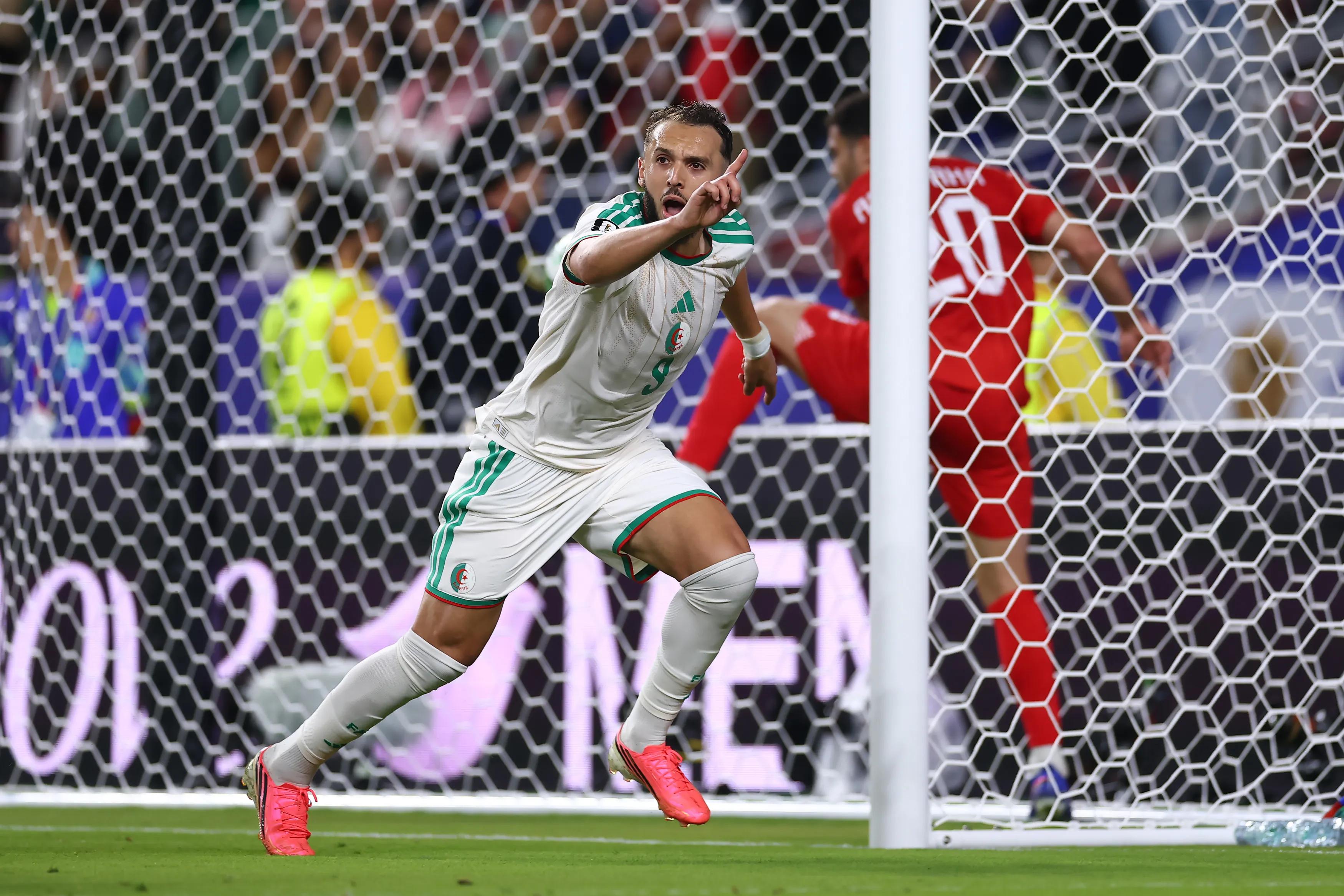
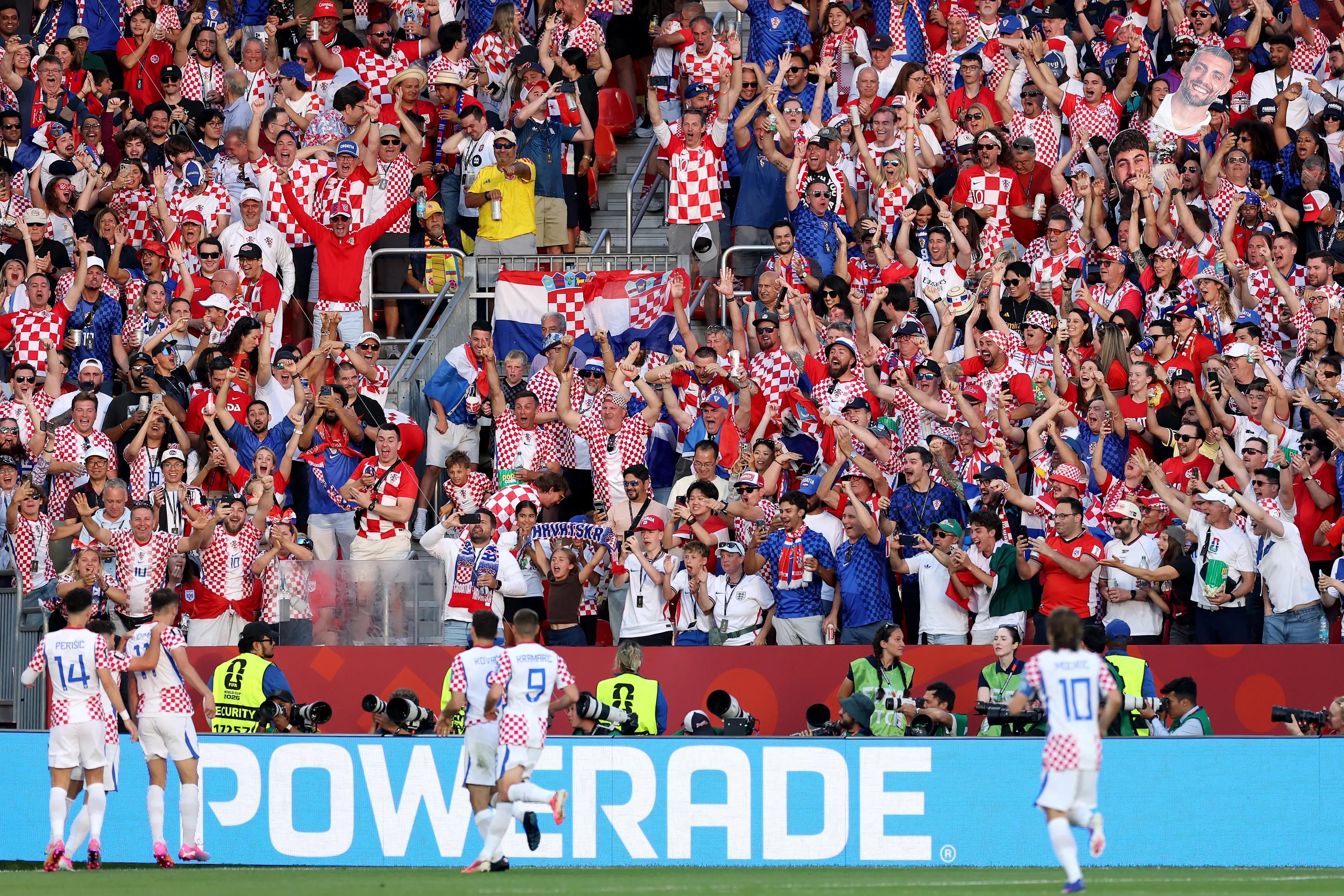
Algeria's tournament encounter with Jordan produced contest where North African quality eventually overcame Middle Eastern resistance that early match development suggested might prove more challenging. Vladimir Petkovic's Algerian management has transformed their methodology from previous tournament approaches, creating team whose balance between attacking creativity and defensive organisation produces competitive performance. Jordan's tournament journey had already exceeded expectation through group progression. The Middle Eastern nation's appearance in knockout rounds represents historic achievement that previous Jordanian football could not claim. Their competitive performance against Algeria, though ultimately insufficient for advancement, demonstrated genuine development that systematic preparation has produced. The match's opening period featured Jordanian resistance that limited Algerian attacking. Their defensive structure, concentrated around central areas, created obstacles that North African technical quality struggled to penetrate. This early success suggested potential for upset that pre-match expectation had not anticipated. Algeria's recovery demonstrated their tournament character. Their refusal to accept difficult opening circumstances, their capacity for adjusting methodology when initial approaches proved insufficient, illustrated competitive resilience that knockout progression requires. Petkovic's tactical adjustments, his introduction of varied attacking options, eventually produced breakthrough that Jordanian resistance could not sustain. Riyad Mahrez's creative contribution provided foundation for Algerian eventual dominance. His passing range, his capacity for identifying opportunities that others might miss, his understanding of when creative ambition must translate into direct attacking - these elements combined to produce influence that Jordanian defence struggled to address. Algeria's victory confirms their knockout progression, their recovery from challenging opening demonstrating tournament quality that previous Algerian appearances might not have shown. Jordan's departure, though disappointing, confirms their historic achievement through group advancement. The post-match atmosphere reflected the dramatic nature of knockout football. Supporters experienced emotional journeys that matched their team's competitive trajectory, from early anxiety through eventual celebration. The stadium's acoustics captured every significant moment, the collective voice of followers creating backdrop that players acknowledged through their responses. The tournament atmosphere surrounding this encounter reflected World Cup's unique competitive intensity. Matches occurring under elimination structure produce heightened psychological pressure that league competition cannot replicate, each outcome determining immediate progression or departure. This context creates emotional dimension that players must navigate while maintaining technical performance, their capacity for managing such tension distinguishing tournament performers from merely capable practitioners.
⬜ Group
Algerian Recovery Overcomes Jordanian Challenge