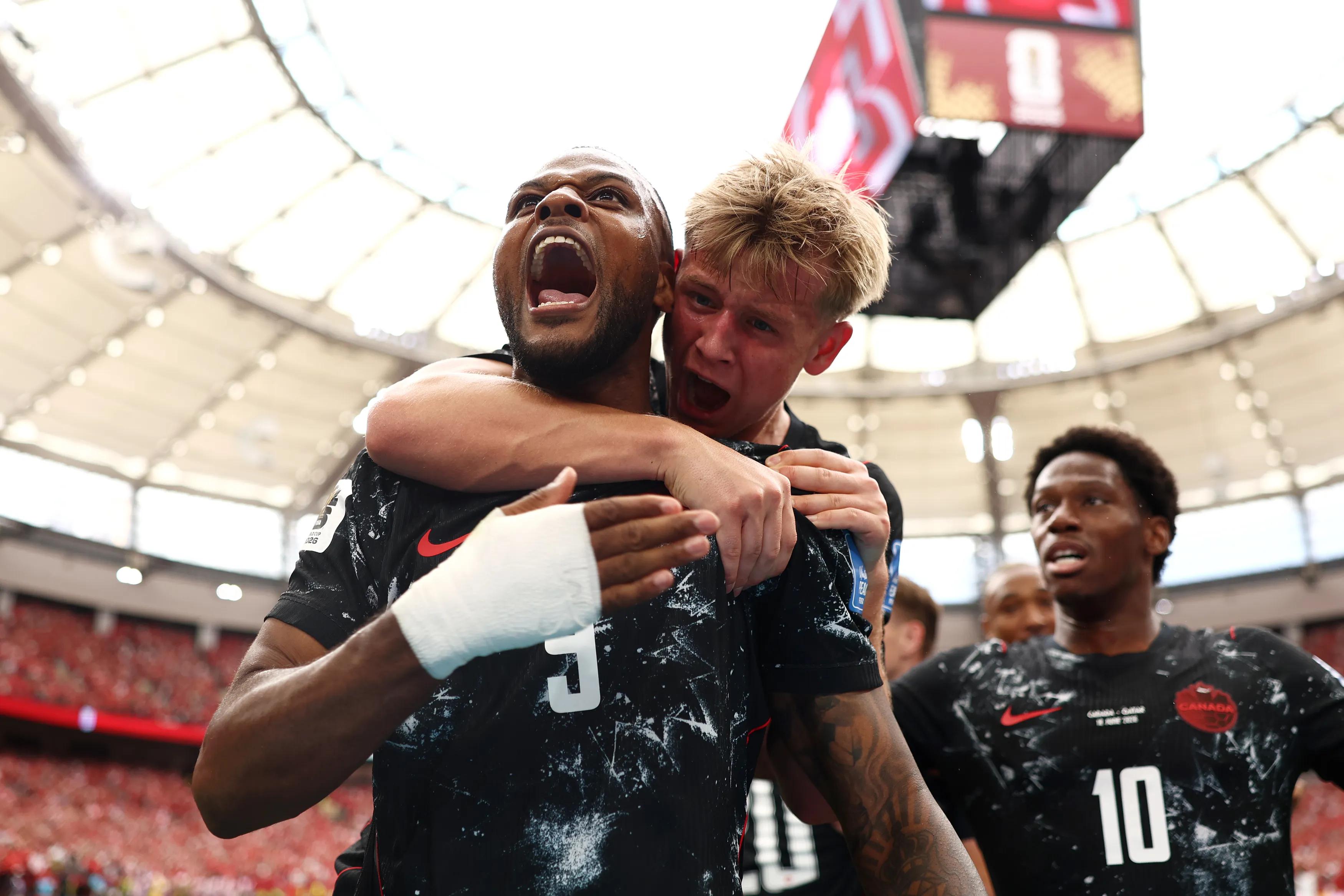
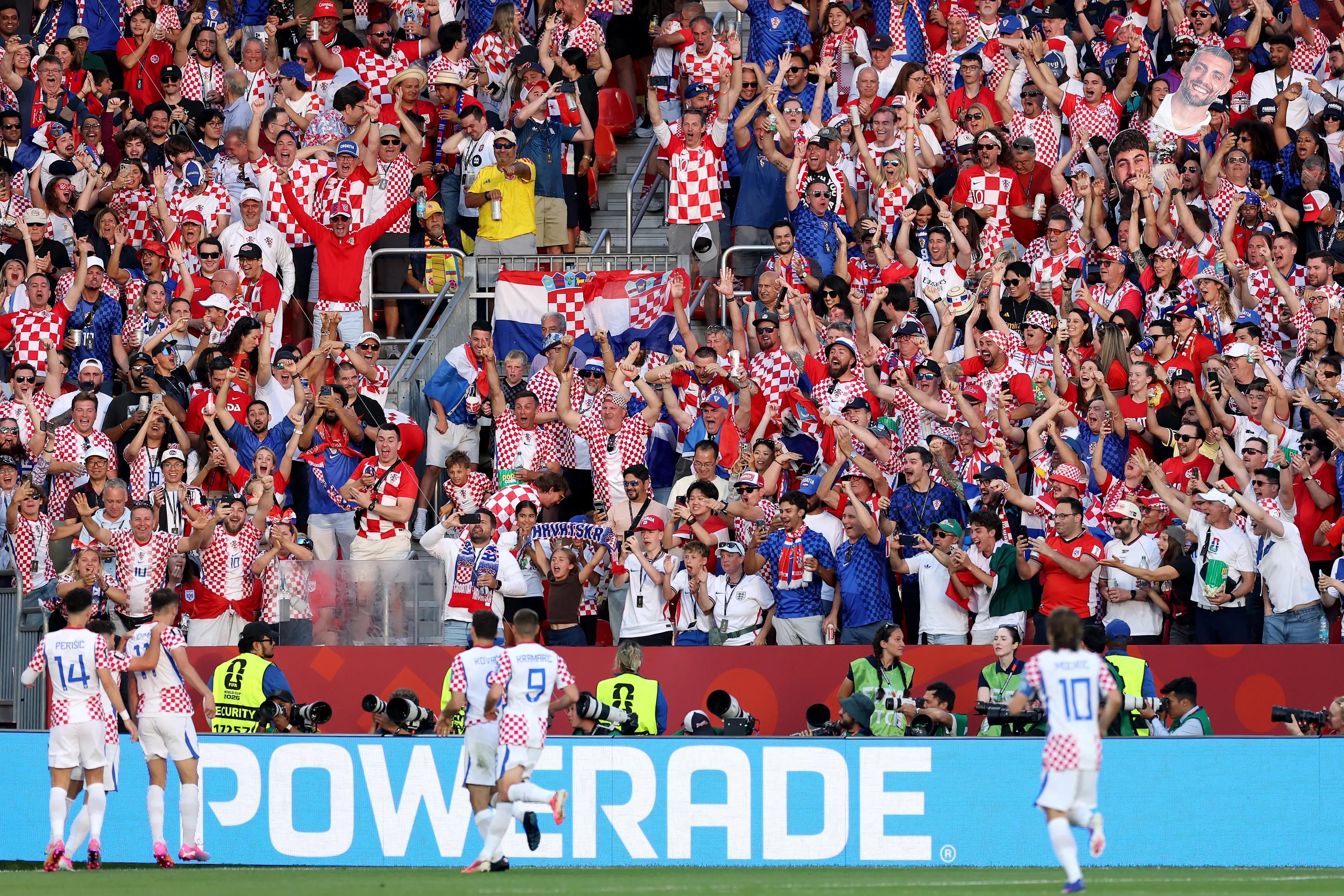
Cyle Larin's reflection on Canadian tournament progression captured the emotional weight of achievement that North American football has awaited through decades of limited success. Canada's group stage advancement, their first World Cup progression in five tournament appearances, represents historic breakthrough that Jesse Marsch's management has produced. Larin's personal contribution includes goals that provided foundation for Canadian advancement. His finishing against Qatar demonstrated the capability that Canadian development has cultivated through years of systematic investment. His partnership with Jonathan David, their combined attacking threat, illustrates the squad quality that Canadian football now possesses. The Canadian evolution reflects investment that hosting status has accelerated. Players like Alphonso Davies, Stephen Eustaquio, and Larin himself have emerged through development systems that previous generations lacked. Their current tournament performance demonstrates that Canadian preparation has produced capability for competing rather than merely participating. Luc de Fougerolles' emergence alongside established figures illustrates continued Canadian development. The young defender's tournament contribution, his integration into Marsch's defensive structure, demonstrates that squad depth extends beyond celebrated attacking figures into supporting positions whose quality enables team functionality. Larin's celebration of Canadian achievement revealed genuine emotional investment in national progression. His understanding that this tournament represents historic breakthrough, his awareness that Canadian football has finally achieved meaningful World Cup contribution, reflects the psychological significance that sporting achievement carries beyond immediate competitive outcome. Canada's continued tournament journey now includes knockout progression that historic context demands recognition. Their development from perennial participants into genuine competitors demonstrates that systematic investment, combined with hosting opportunity, produces capability that previous Canadian football could not claim. The historical achievement created context that transcended immediate tournament progression. Statistical milestones represent accumulated excellence across multiple competitions, evidence of sustained quality that mere participation cannot demonstrate. The post-match reflections emphasised how such records reflect career dedication beyond single tournament contribution. The tournament atmosphere surrounding this encounter reflected World Cup's unique competitive intensity. Matches occurring under elimination structure produce heightened psychological pressure that league competition cannot replicate, each outcome determining immediate progression or departure. This context creates emotional dimension that players must navigate while maintaining technical performance, their capacity for managing such tension distinguishing tournament performers from merely capable practitioners.
⬜ Group
Canadian Football Evolution: Larin Celebrates Historic Progress