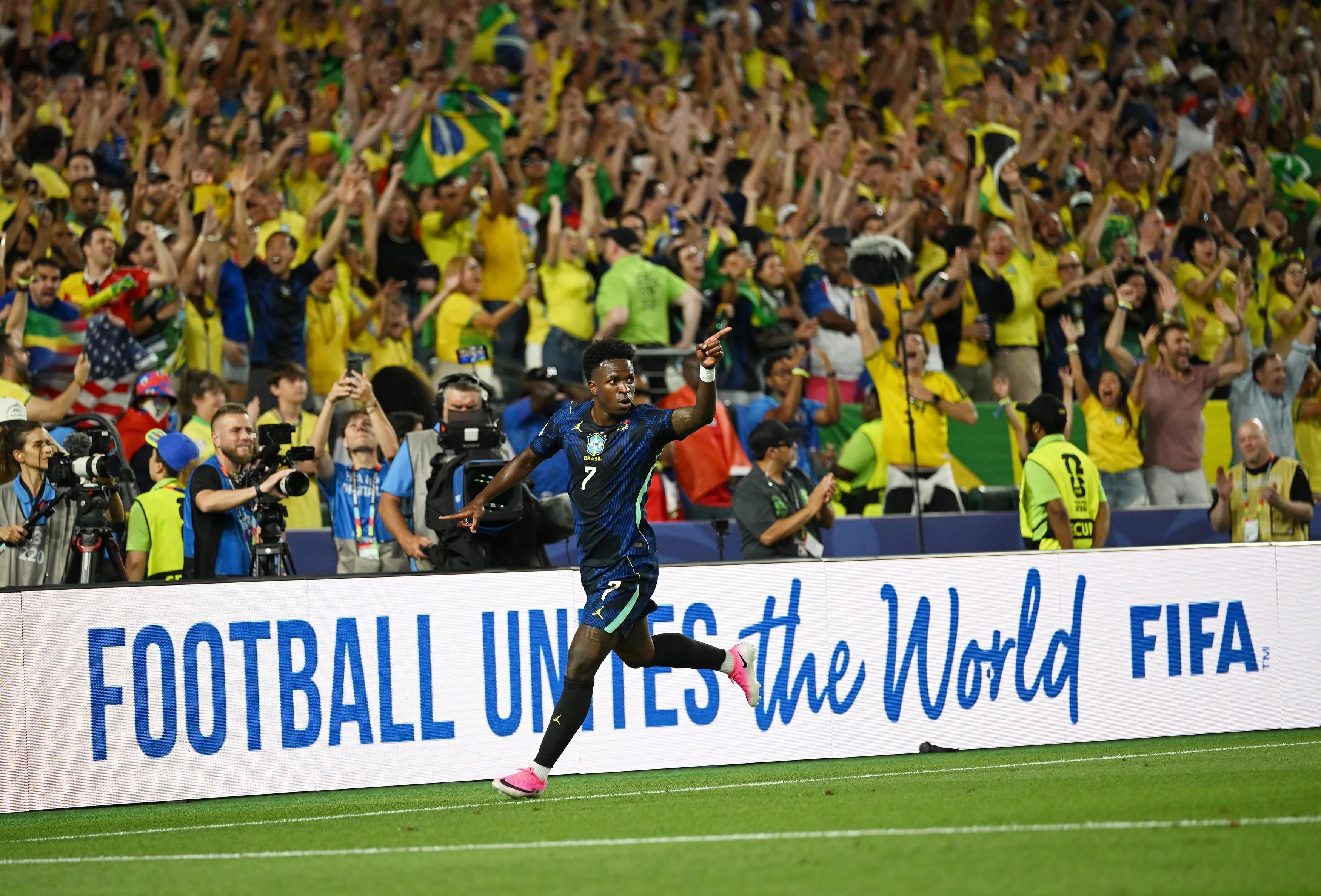
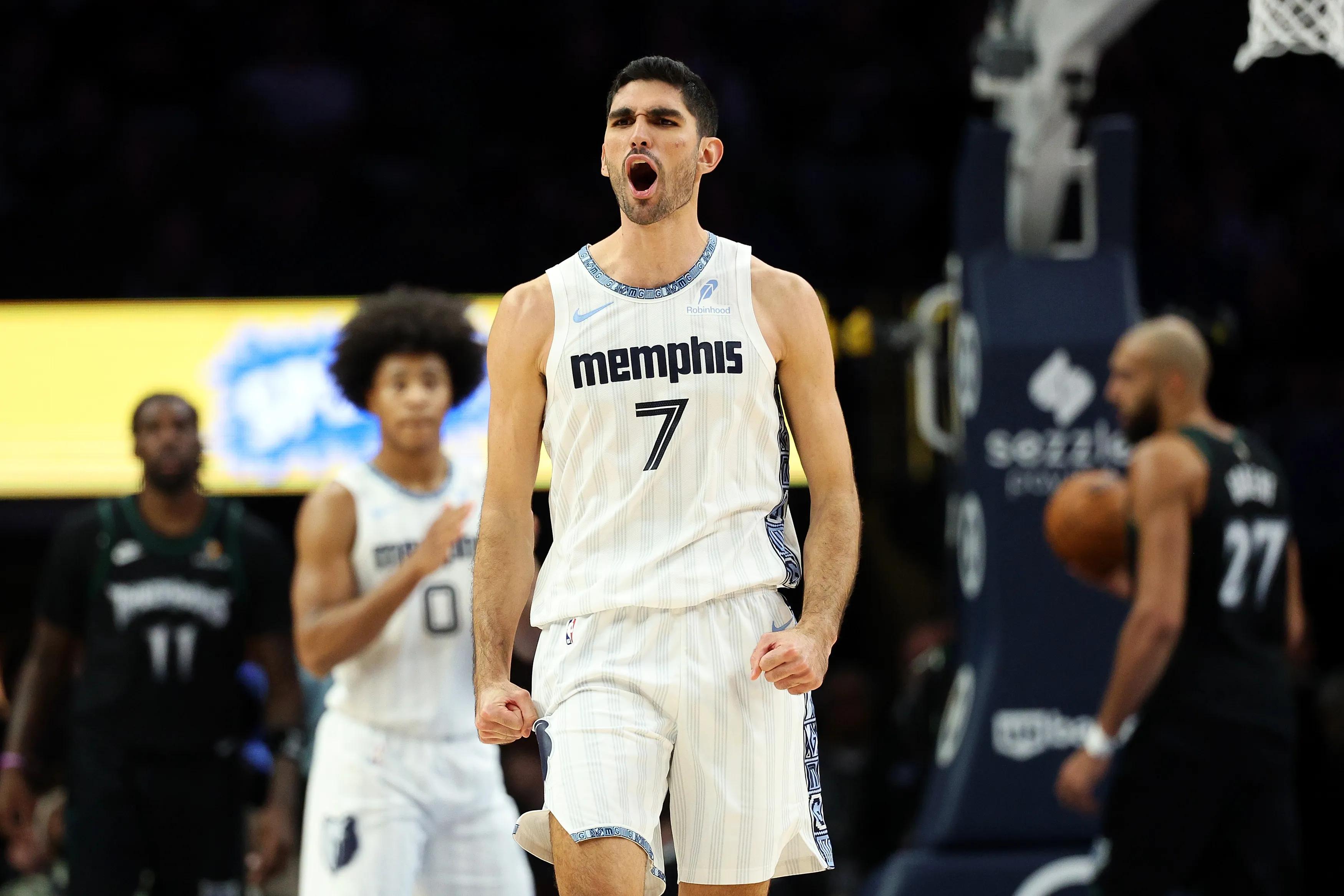
The group stage's concluding fixtures produced simultaneous contests whose outcomes determined progression across multiple groups. Brazil faced Haiti in circumstances where victory would confirm their advancement, while other group matches created parallel narratives that competitive football's structure requires. Brazil's approach reflected their tournament methodology under Carlo Ancelotti. The Italian coach has transformed Brazilian style from purely attacking emphasis into more balanced approach that maintains creative threat while ensuring defensive reliability. Their encounter with Haiti demonstrated this evolution, systematic construction producing opportunities while protective structure limited Haitian counter-attacking possibilities. Haiti's tournament journey had already exceeded reasonable expectation through their group stage participation. The Caribbean nation's appearance in North American competition represents achievement for football whose development infrastructure lacks resources that established powers possess. Their performance against Brazil, though ultimately insufficient for progression, demonstrated genuine competitive character that tournament football celebrates. The simultaneous fixtures across Groups A, B, and C created competitive complexity that tournament structure produces. Teams whose progression depended upon results elsewhere, nations whose advancement required specific outcomes in parallel contests - these elements combined to create dramatic day where multiple narratives developed simultaneously. Brazil's eventual victory confirmed their progression into knockout rounds. Ancelotti's management has produced Brazilian development that previous tournament iterations might not have demonstrated. Their balance between attacking creativity and defensive organisation provides platform for deeper progression that Brazilian tournament history demands. Haiti's departure, though disappointing, confirmed their tournament contribution. Their competitive performance against established opposition demonstrated that Caribbean football development continues progressing toward capability that future tournaments might translate into genuine advancement. The veteran contribution illustrated how experience compensates for physical diminishment that advancing years typically create. Football intelligence, understanding of match dynamics, capacity for remaining influential through reduced athletic capability, these elements combine to produce continued effectiveness that chronological age cannot measure. The tournament atmosphere surrounding this encounter reflected World Cup's unique competitive intensity. Matches occurring under elimination structure produce heightened psychological pressure that league competition cannot replicate, each outcome determining immediate progression or departure. This context creates emotional dimension that players must navigate while maintaining technical performance, their capacity for managing such tension distinguishing tournament performers from merely capable practitioners.
⬜ Group
Group Stage Drama: Brazil and Haiti Navigate Critical Day