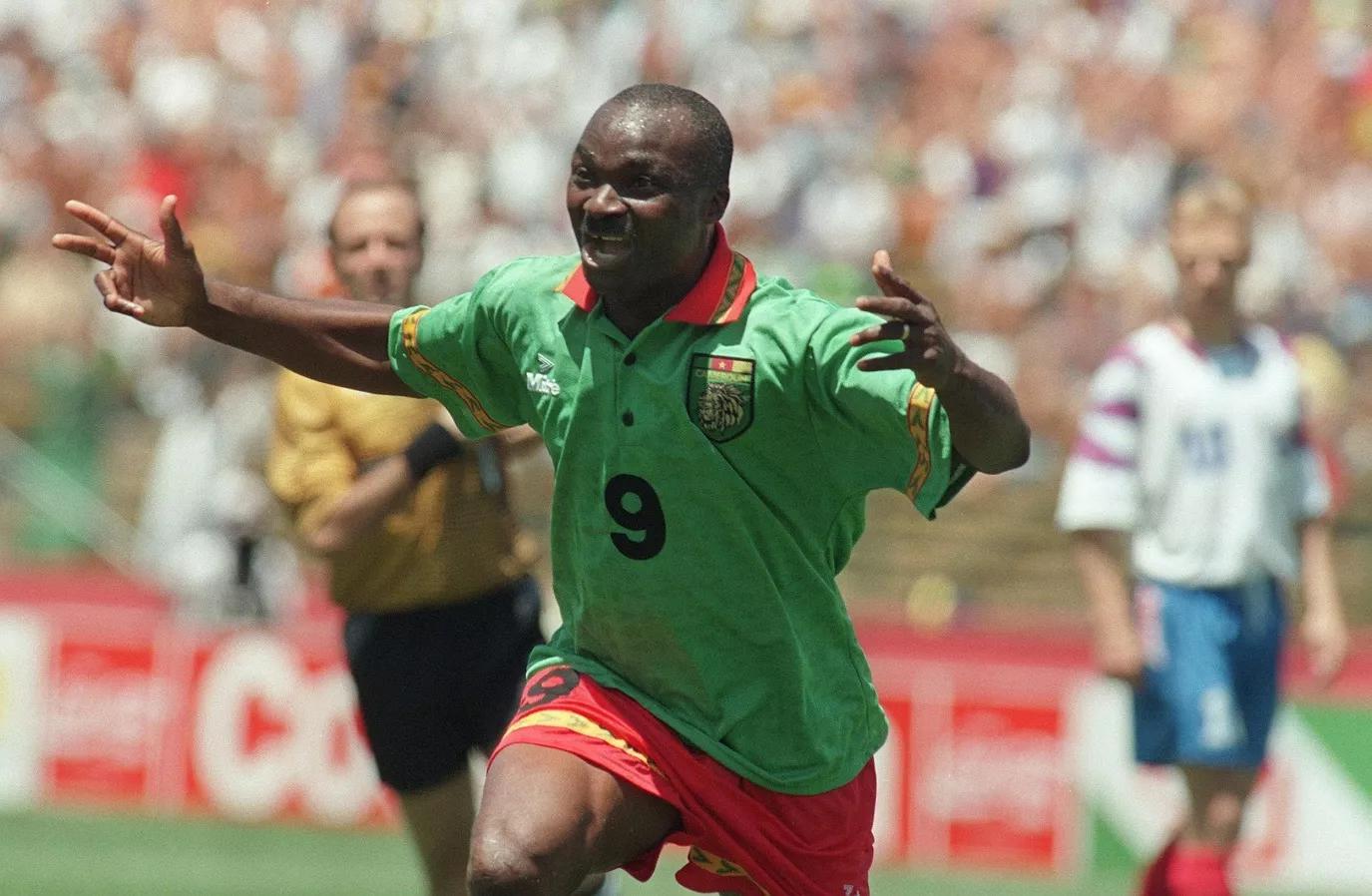
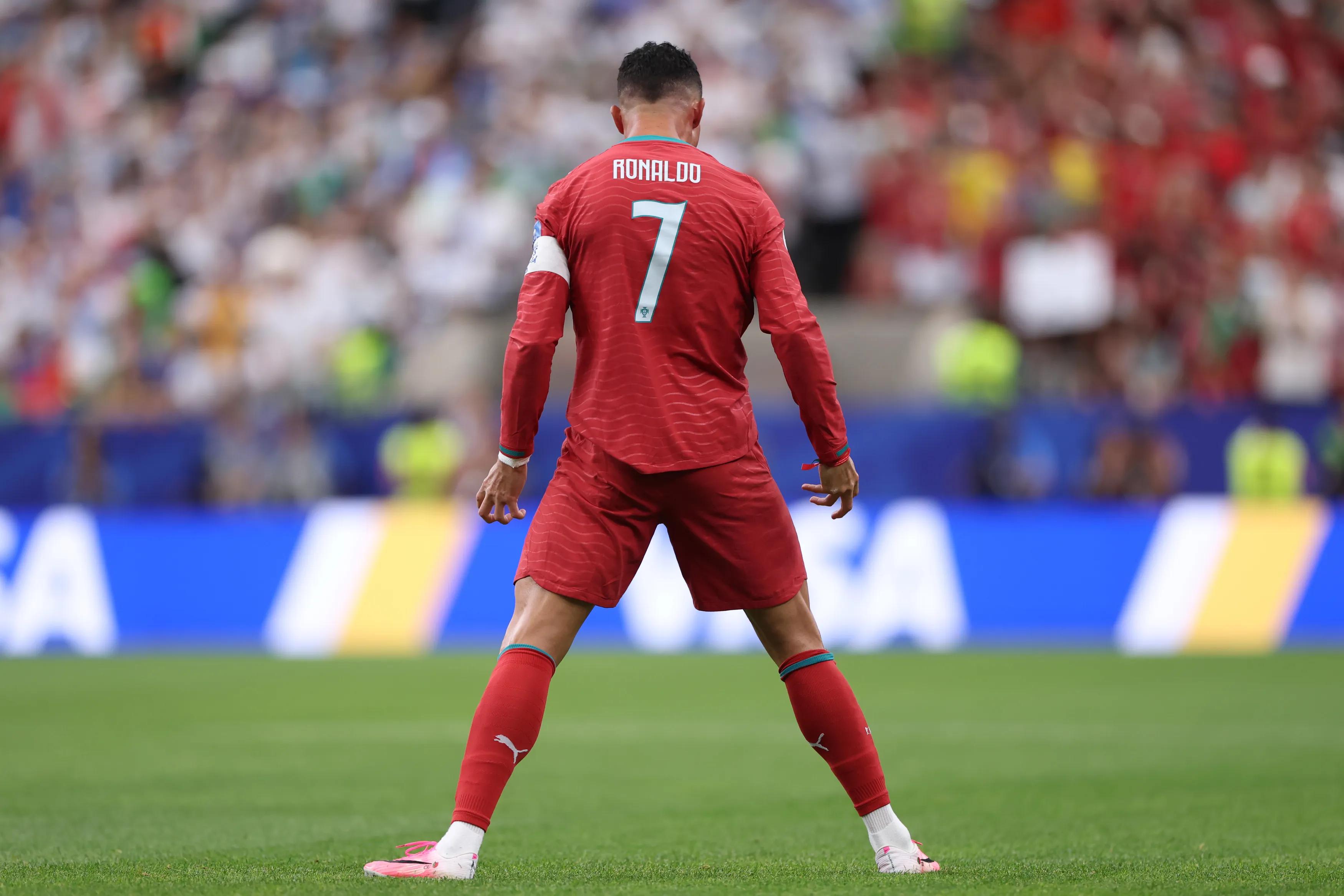
World Cup history includes remarkable achievements from players whose calendar years would traditionally indicate diminished capability. The oldest goalscorers list demonstrates that finishing quality, when accompanied by appropriate physical preparation and maintained technical excellence, can persist beyond typical retirement age. Roger Milla's benchmark achievement, scoring at 42 years and 39 days for Cameroon at USA 1994, remains the standard that subsequent veterans have attempted to approach. His celebration, dancing at corner flag after each goal, created imagery that tournament retrospectives regularly feature. His demonstration proved that age statistics cannot measure finishing capability when appropriate preparation accompanies natural talent. Cristiano Ronaldo's recent addition to this ranking confirms his physical investment's effectiveness. His goal at 41 years and 138 days against Uzbekistan established position that approaches Milla's historical benchmark. His continued scoring, extending across six tournament appearances, illustrates sustained excellence that parallels the Cameroonian's veteran contribution. Lionel Messi's presence on this list demonstrates similar veteran achievement. His goals at 39 years for Argentina, contributing to their continued tournament progression, reflect preparation for maintaining effectiveness despite advancing years. His quality, though perhaps less explosive than earlier career phases, remains sufficient for influencing matches at highest competitive level. The current tournament may add further entries to this ranking. Players approaching late career stages, maintaining scoring capability through physical management and football intelligence, continue demonstrating that age need not determine achievement. The list illustrates football's capacity for rewarding quality regardless of chronological measurement, provided appropriate conditioning enables maintained technical excellence. The veteran contribution illustrated how experience compensates for physical diminishment that advancing years typically create. Football intelligence, understanding of match dynamics, capacity for remaining influential through reduced athletic capability, these elements combine to produce continued effectiveness that chronological age cannot measure. The technical execution throughout this contest demonstrated football's capacity for producing quality under competitive pressure. Players must deliver precise contribution when circumstances demand, their preparation enabling maintained effectiveness through passages where intensity tests concentration and physical capability. The distinction between successful tournament contribution and inadequate performance often reflects marginal differences in such execution, slight variations in quality determining outcomes that retrospective analysis frequently examines.
⬜ Group
Veteran Goalscorers: Age Cannot Measure Finishing Quality