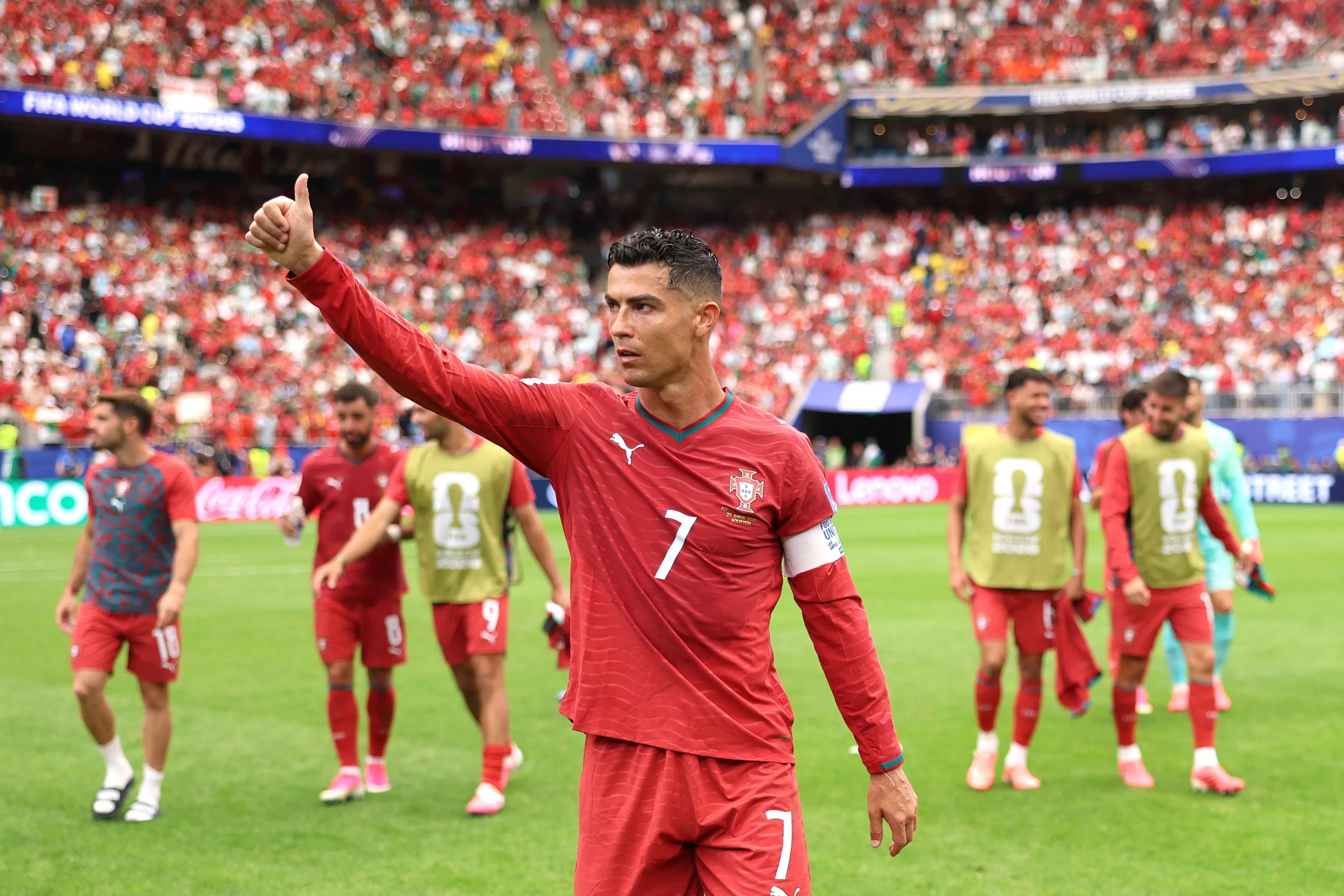
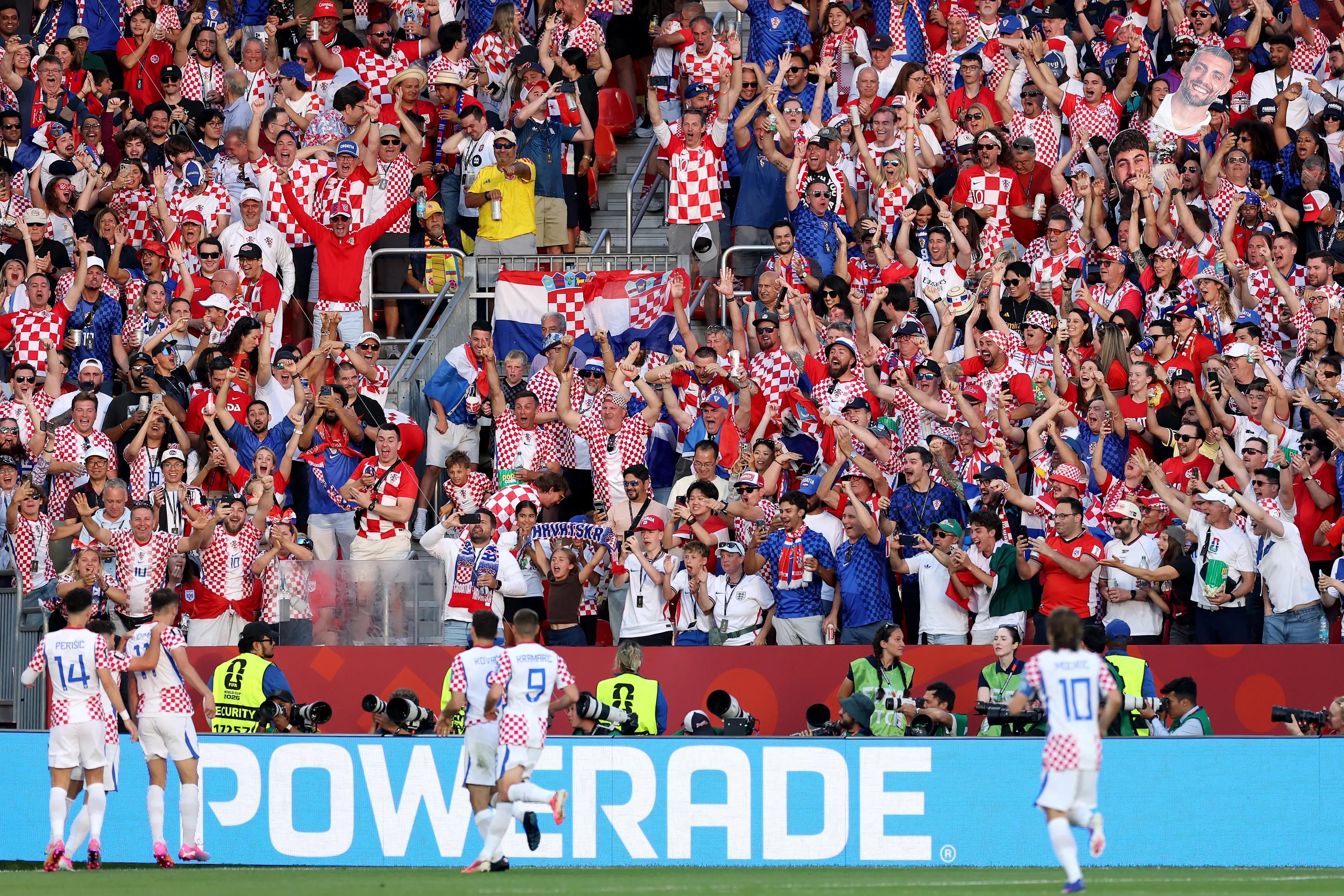
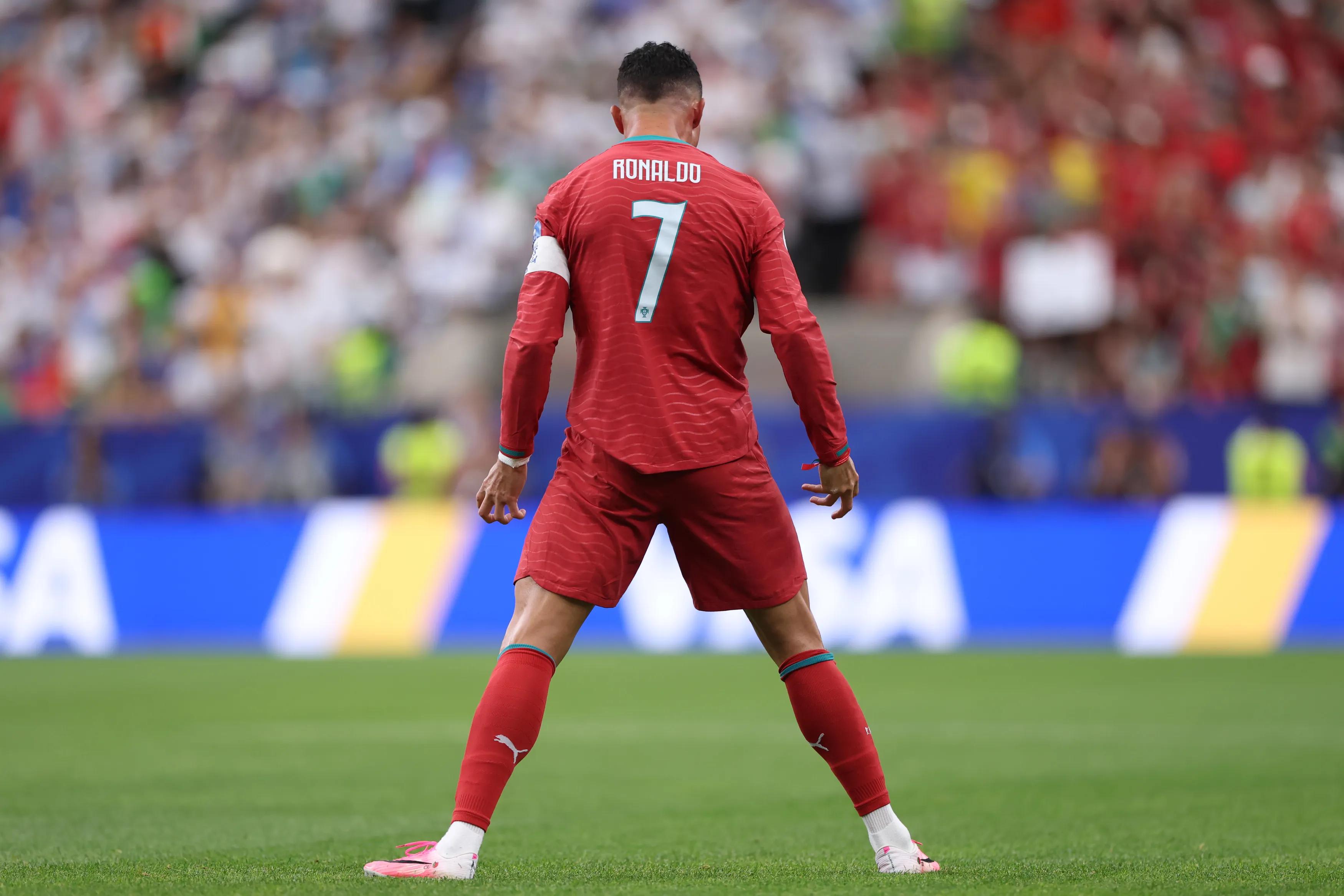
The encounter between Portugal and Croatia produced contest where two of football's most enduring figures confronted each other in circumstances that might represent either's final tournament appearance. Cristiano Ronaldo and Luka Modric, whose careers intertwined through shared Real Madrid years, now faced each other wearing different national colours in knockout examination that personal dimension added to typical competitive intensity. Ronaldo's record achievement, scoring across six World Cup tournaments, provides statistical evidence of his sustained excellence. His contribution against Croatia demonstrated that this historical significance translates into continued competitive influence. His movement, though perhaps less explosive than earlier career phases, remains sufficiently sharp to create opportunities that organised defence cannot entirely prevent. Croatia's defensive structure, designed around Modric's midfield orchestration, initially limited Portuguese attacking. Ronaldo's presence demanded specific attention that concentrated defensive resources around his positioning. This focus, though rational, created space for supporting Portuguese attackers whose quality ultimately produced breakthrough. Modric's midfield contribution demonstrated his enduring relevance despite calendar years approaching 41. His passing range, his capacity for controlling tempo, his understanding of how matches develop through varied phases - these elements confirmed his continued tournament capability. Croatian organisation around his midfield presence provides framework that enables competitive performance regardless of individual ageing that might suggest diminished effectiveness. Budimir's Croatian involvement, though less celebrated than Modric's contribution, provided finishing dimension that Portuguese defence struggled to address. His positioning for opportunities, his capacity for converting Modric's creative delivery into finishing chances - these elements demonstrated that Croatian threat extends beyond their celebrated midfielder into supporting figures whose quality complements established excellence. Portugal's eventual victory, though confirming Ronaldo's record, reflected broader attacking quality that Croatian defensive excellence could not entirely contain. The historical achievement created context that transcended immediate tournament progression. Statistical milestones represent accumulated excellence across multiple competitions, evidence of sustained quality that mere participation cannot demonstrate. The post-match reflections emphasised how such records reflect career dedication beyond single tournament contribution. The tournament atmosphere surrounding this encounter reflected World Cup's unique competitive intensity. Matches occurring under elimination structure produce heightened psychological pressure that league competition cannot replicate, each outcome determining immediate progression or departure. This context creates emotional dimension that players must navigate while maintaining technical performance, their capacity for managing such tension distinguishing tournament performers from merely capable practitioners.
⬛ Round of 16
Portuguese Record-Breaker Ronaldo Leads Dramatic Croatian Triumph